
"Sun Screen": The Other Kind of Protection Your Teen Needs This Summer
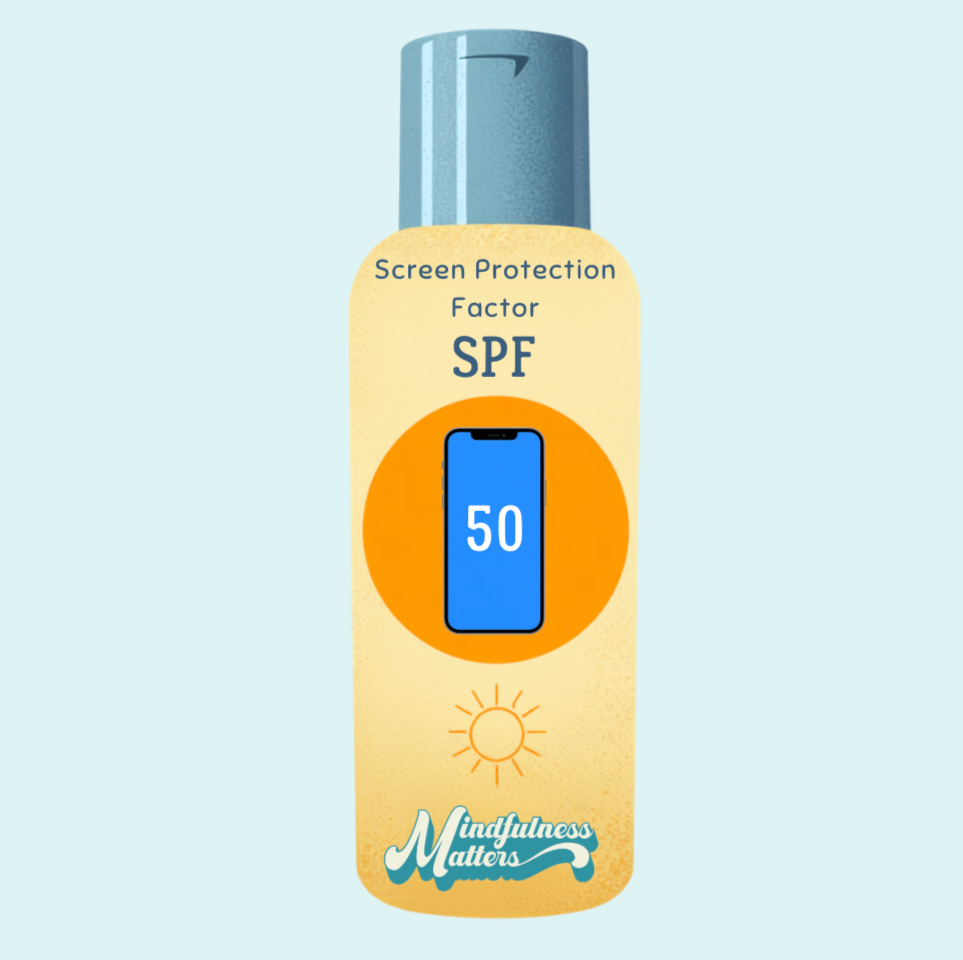
Every parent knows the summer ritual: pack the sunscreen, reapply every two hours, protect your kid's skin from the sun. But this summer, mindfulness expert Pax Tandon is asking parents to think about a different kind of screen — the one that might be doing more damage than any sunburn.
Tandon, founder of Mindfulness Matters for Teen Well-Being, has a simple pitch: what if families treated screen time the way they treat sun exposure? Not banned outright, but managed, monitored, and balanced with something healthier. She's calling it "Sun Screen" — a summer digital detox plan for the whole family
Why This & Why Now?
The numbers behind the idea are hard to ignore. Nearly half of parents — 42% — report that their teen struggles with mental health, and they point to the online environment as a driver. The CDC's own data backs up the concern: roughly 20% of adolescents experience symptoms of anxiety, and about 18% experience symptoms of depression. Most alarming, close to 20% of high schoolers say they've seriously considered attempting suicide — a leading cause of death among young people today.
"Parents are watching their kids struggle, and they don't always know where to start," Tandon says. "Screens are an easy, tangible place to begin. You can't fix everything at once, but you can put the phone down for an hour at dinner. That's a solid start that leads to measurable differences."
Summer Is the Secret Advantage
In other words, less screen time? Time to breathe and reboot. Tandon points out that summer removes two of the biggest reasons teens stay glued to their phones in the first place: schoolwork and social pressure. No homework demanding screen time. No fear of missing out since half their friend group is away at camp or on vacation. Add in warm weather practically begging everyone to go outside, and summer becomes the easiest three months of the year to reset a habit that feels impossible to touch during the school year.
Understanding the Habit Before Breaking It
Before parents hand down a screen time limit, Tandon suggests the family talk about why phones are so hard to put down in the first place. It comes down to dopamine — the brain's feel-good chemical, released by a text notification, a social media like, or a game win in much the same way it's released during gambling or drug use. Do it enough times, and the brain starts craving the next hit. That's not a willpower problem. That's how addiction works.
"Once you understand what's happening in your brain, you can catch yourself," Tandon explains. "You notice you're reaching for the phone without even thinking about it. That's the moment to stop, breathe, and ask: could I take a walk instead? Could I just be, for a minute, without it?"
Building Your Family's "Sun Screen" Plan
Tandon's approach isn't a lecture — it's a family project. Here's how she recommends getting started:
1. Start the conversation with the stats. Share the numbers above with your kids. Ask them directly: do you want to feel happier this summer? Putting the phone down is one of the easiest places to start.
2. Name the addiction. Talk openly about dopamine and habit loops, so screen use stops feeling like a personal failing and starts feeling like a cycle the whole family can work on breaking together.
3. Make a family plan — literally called "Sun Screen." Sit down together and decide, as a family, how much screen-free time everyone can realistically commit to — per day, per week, and across each month of the summer. Frame it as protection for mental health, the same way sunscreen protects skin.
4. Pick your "phone freedom" moments. Many families start with dinner — phones away, full attention on the meal and each other. Some go further, choosing one full day every two weeks (or once a month) for a total digital detox: no phones, no screens, no exceptions.
5. Build a menu of alternatives, together. At the start of summer, have every family member contribute to a shared list — a spreadsheet works well — of activities to do instead of scrolling. Individual ideas and family activities both count. Having the list ready makes it much easier to actually put the phone down when the moment comes.
The Bottom Line
Sunscreen doesn't mean kids never go outside — it means they can enjoy the sun safely. Tandon's "Sun Screen" works the same way: it's not about eliminating technology, it's about building a summer where screens don't quietly run the show. For families looking for a low-pressure way to talk about mental health, screen habits, and connection, this could be the family project worth starting before summer slips away.
Pax Tandon is the founder of Mindfulness Matters for Teen Well-Being, offering workshops and programs that help teens and families build healthier relationships with technology and mental wellness.
